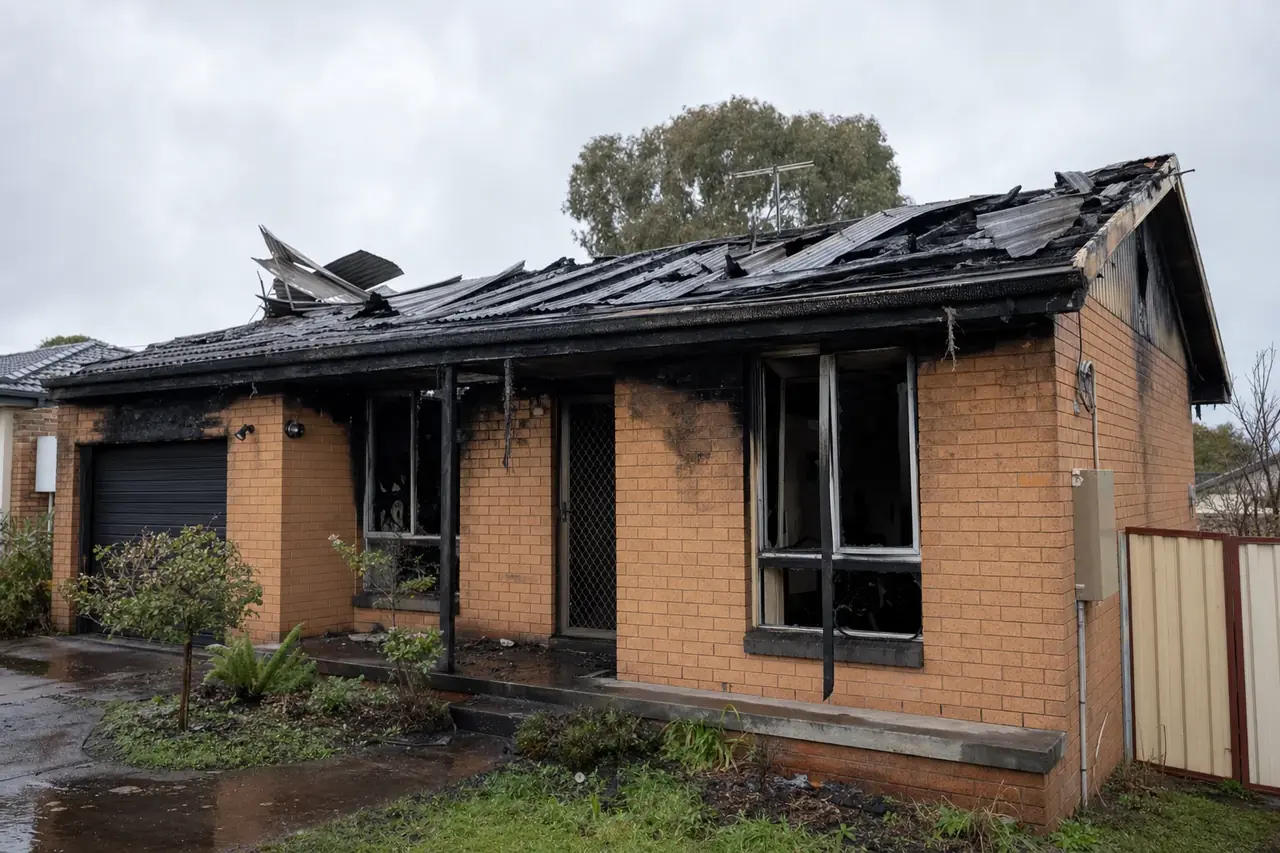
AI overview
A house fire can shatter and expose old asbestos-containing materials, spreading fibres and debris across the property. After a fire, the site should be assessed for asbestos before anyone starts the clean-up, because disturbing burnt debris can release fibres into the air. A rapid assessment protects owners, builders and insurers and lets the recovery proceed safely.
Key takeaways
- Fire damages and exposes old asbestos materials.
- Burnt debris can hold and release asbestos fibres.
- Assess before you clean, not after.
- Rapid response is available for fire-affected sites.
- A clear report supports owners, builders and insurers.
- Removal of asbestos is handled by a licensed removalist.
- Firefighting water can spread fibres across floors, soil and the yard.
After a fire, the instinct is to clear the mess and start again. It is the natural response, and it is also the moment to pause.
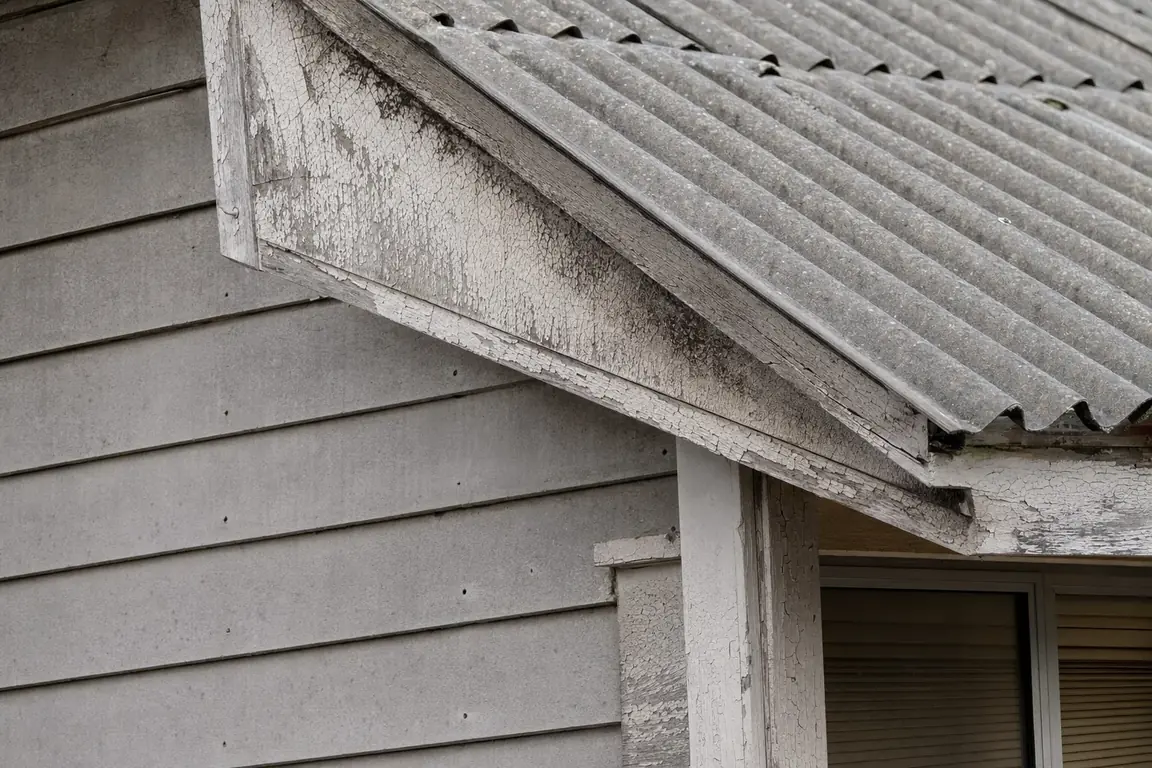
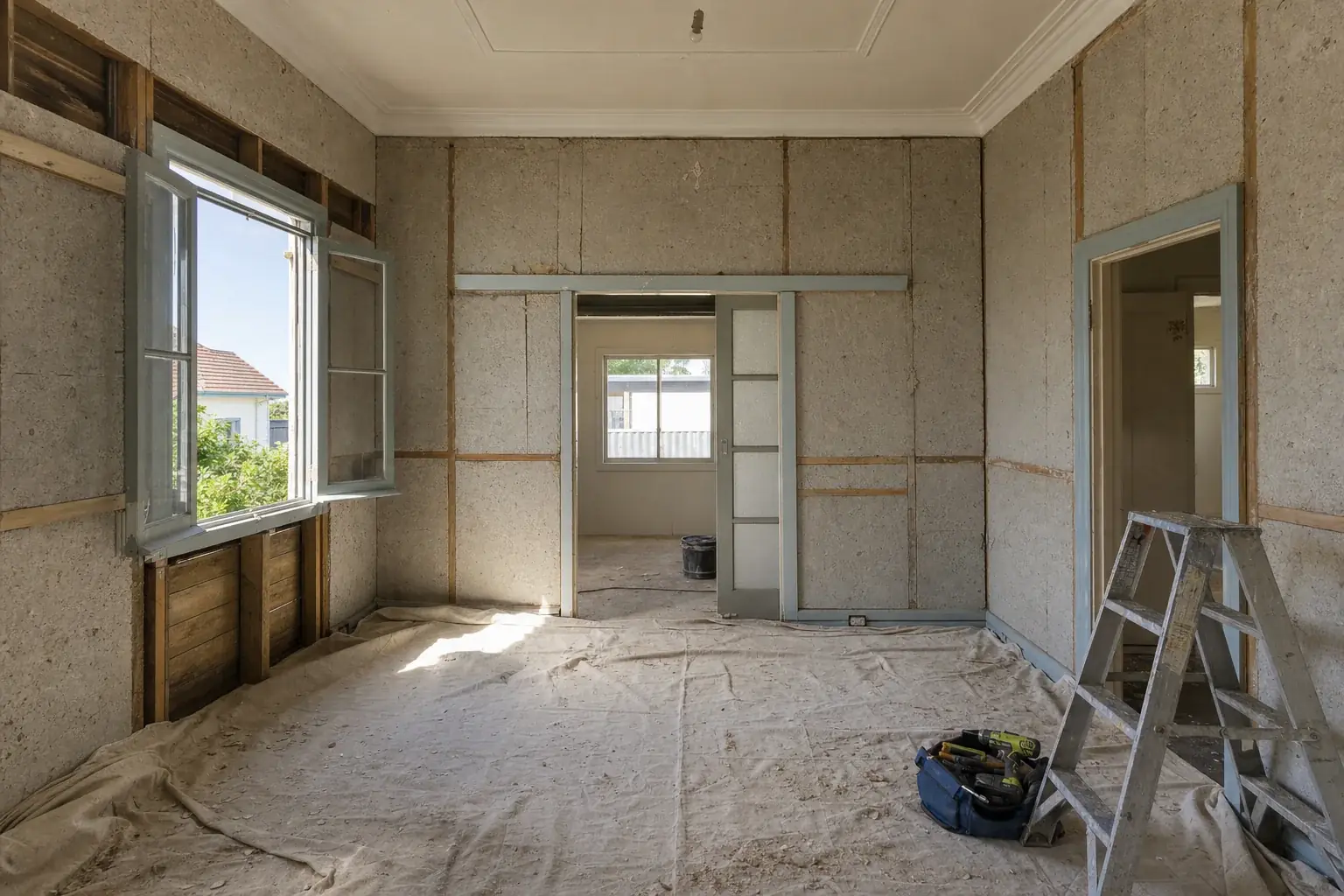
Older homes can hold asbestos in walls, eaves and roofing. Fire can shatter those materials and spread them through the debris.
Why fire changes the risk
Heat and impact break asbestos materials apart. What was once an intact, low-risk sheet can become fragmented and friable.
That debris can carry fibres. Water from firefighting spreads it further across floors, soil and the yard.
Burnt debris is not ordinary rubbish
Fire-damaged debris from an older property may contain asbestos. Raking, bagging or hosing it down before an assessment can push fibres into the air and across the site.
Do not clean up first
The single most important rule is sequence. Assessment comes before clean-up, every time.
- Do not enter and start moving debris until the site has been assessed.
- Do not hose down or sweep burnt material.
- Do not load debris into a skip or trailer before you know what is in it.
- Do let a Licensed Assessor evaluate the site and take samples where needed.
Clean-up before assessment can turn a contained problem into a spread one. The order of operations protects everyone on site.
| Fire effect | Why it changes the asbestos risk |
|---|---|
| Heat and impact | Intact sheets can fragment and become friable, so fibres release more easily. |
| Firefighting water | Debris and fibres spread across floors, soil and the yard. |
| Collapsed materials | Roofing, eaves and wall sheeting mix into general debris and are hard to spot. |
| Soot and ash cover | A layer of ash can hide asbestos fragments in the rubble. |
Who needs an assessment
Several parties rely on a clear picture after a fire. A documented assessment serves all of them.
Owners
Safe re-entry and a clear recovery path
Builders
Know the hazards before rebuild works
Insurers
Documented basis for the clean-up scope
What an assessment involves
A post-fire assessment is fast and structured. The aim is to identify asbestos so the site can be handled safely.
- Step 01
Rapid attendance
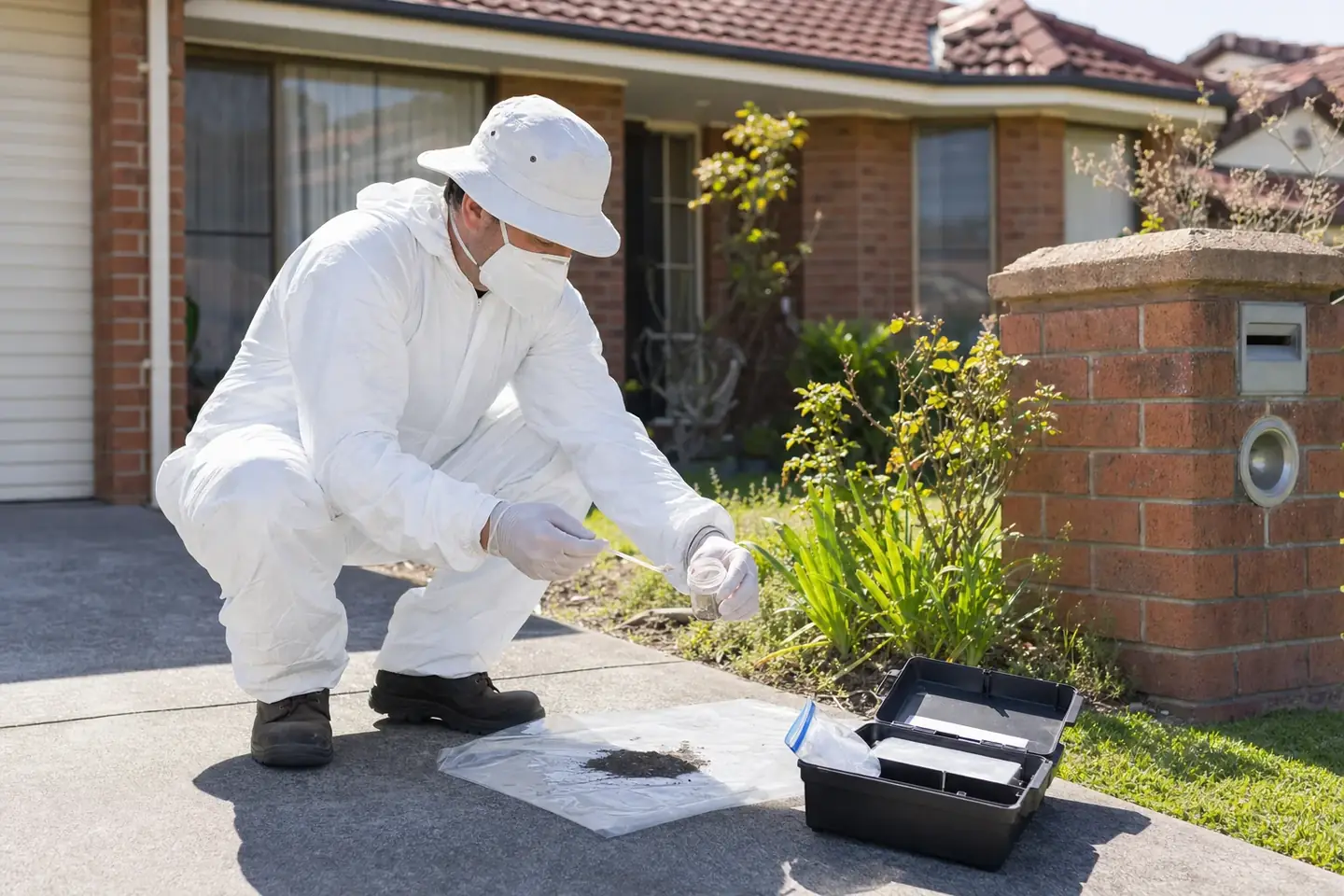
A Licensed Assessor attends the fire-affected property, with rapid response available.
- Step 02
Inspect and sample
Suspect debris and materials are identified and sampled under controlled conditions.
- Step 03
NATA accredited laboratory analysis
Samples are analysed at a NATA accredited laboratory to confirm whether asbestos is present.
- Step 04
Written report
You receive a clear result that owners, builders and insurers can act on.
After the result
With the result in hand, the recovery can move safely. Any asbestos that must be removed is handled by a licensed asbestos removalist.
We test and assess so the clean-up is planned on facts, not guesses. If your property has been fire-affected, call (08) 6186 7484 before anyone touches the debris.
Should I tell my builder or removalist to wait?
Yes. Ask everyone to hold off entering or moving debris until the site has been assessed. A clear result then lets the builder plan the rebuild and a licensed asbestos removalist handle anything that needs to go.
Is the yard and soil part of the assessment?
It can be. Firefighting water and collapsed materials can carry fragments beyond the building footprint, so surrounding surfaces, soil and the yard may need checking on an older, fire-affected property.
Not sure about a material in your property?
A Licensed Assessor can take a sample and give you a documented answer.
Frequently asked questions
Fire can shatter and expose old asbestos materials, spreading debris and fibres across the site. Testing before clean-up confirms what is present so the recovery is handled safely rather than disturbing hidden asbestos.
No. Moving, hosing or bagging burnt debris before an assessment can release asbestos fibres into the air. The site should be assessed first so the clean-up is planned correctly.
Rapid response is available for fire, flood and storm-damaged properties. Call us as early as possible so the assessment can happen before any clean-up begins.
No. We test, assess and report on fire-affected sites. Any asbestos that needs to be removed is handled separately by a licensed asbestos removalist.
Often, yes. A documented assessment gives insurers a clear basis for the clean-up scope on a fire-affected older property. Talk to your insurer early, and arrange the assessment before anyone disturbs the debris.
It is still worth checking on an older property. Even a contained fire can damage wall sheeting, eaves or flooring that contain asbestos, and heat and water can spread fragments. An assessment confirms whether the affected area is safe to clear.
Related services
Written and reviewed by
Perth Asbestos Testing, Licensed Asbestos Assessor (WA)
This article is written and reviewed by a WA Licensed Asbestos Assessor who attends properties across Perth metro and regional WA in person. Information here is general guidance. For a definite answer about your property, the material needs to be sampled and tested.
(08) 6186 7484Topics covered