AI overview
You cannot tell whether a material contains asbestos just by looking at it, because asbestos fibres are microscopic and were mixed into ordinary-looking building products. Asbestos was used in Australian construction right up until the 2003 ban, so if your home was built or renovated before then, asbestos-containing materials are common and only a NATA accredited laboratory test can confirm it. The safe rule is to assume suspect materials contain asbestos until tested.
Key takeaways
- Asbestos cannot be identified by sight, colour or feel.
- Homes built or renovated before the 2003 ban are the highest-risk.
- Fibro sheeting, eaves, vinyl and roofing are common suspects.
- Bathrooms, laundries and eaves are frequent hiding spots.
- Never sand, cut or drill a suspect material to check it.
- A NATA accredited laboratory test is the only way to confirm asbestos.
- Sheds, garages and outbuildings are as worth checking as the house.
People want a simple checklist to spot asbestos. The honest truth is there isn't one you can trust with your eyes.
What you can do is understand the risk. The age of your home and the type of material tell you when to be cautious and get a test.
Why you cannot see asbestos
Asbestos was mixed into building products as a fine fibre. It made materials strong, fireproof and cheap.
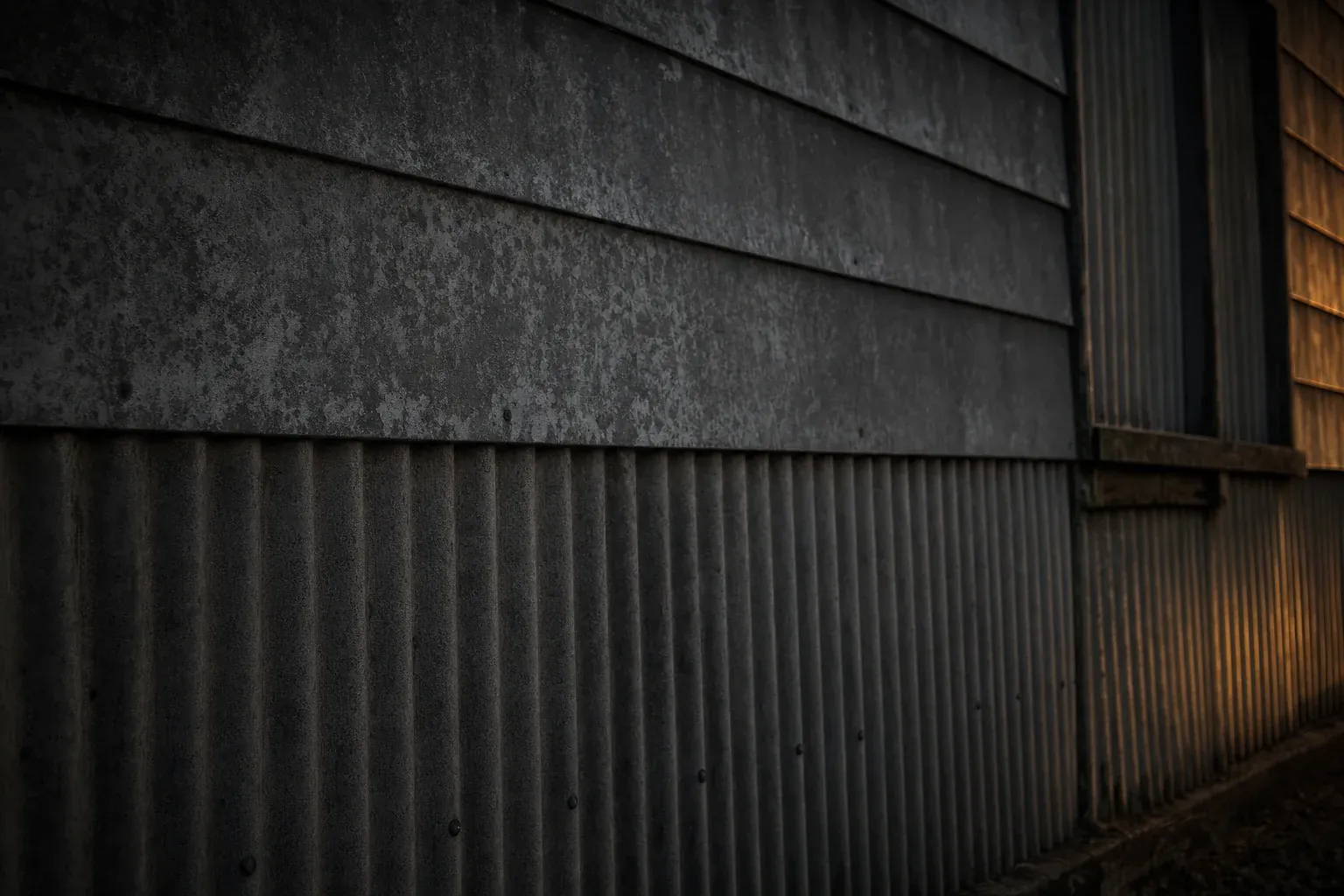
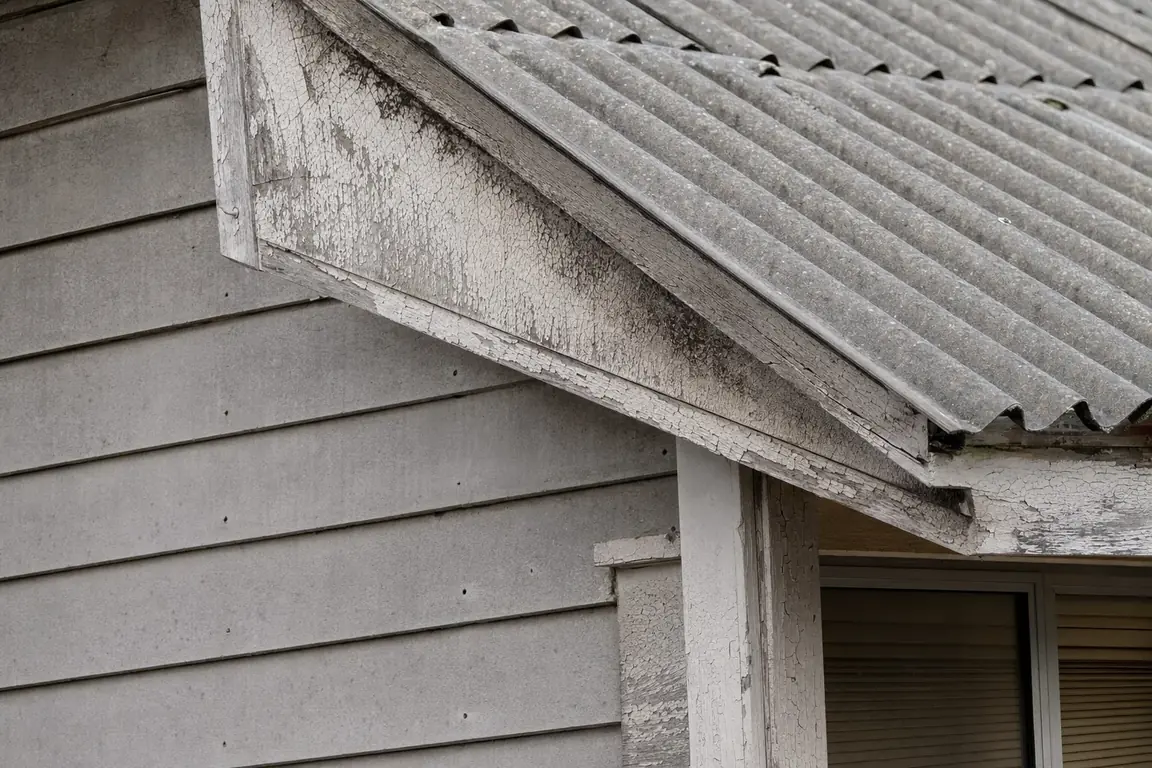
That fibre is microscopic. A sheet of fibro cement and a modern fibre-cement sheet can look almost identical from a metre away.
Colour and texture prove nothing
Grey, white, corrugated, smooth, painted or unpainted, none of it tells you whether a material contains asbestos. Only a NATA accredited laboratory analysis can confirm it.
The age of your home
The build and renovation dates are the strongest clue. Asbestos products were used heavily in Australian homes for decades.
| Era | Likelihood of asbestos materials |
|---|---|
| Before 1990 | High. Assume suspect materials contain asbestos until tested. |
| Late 1980s to 2003 | Possible. Asbestos products were phased out over these years. |
| After 2003 | Low for new build, but renovations may have reused older materials. |
Renovations muddy the picture
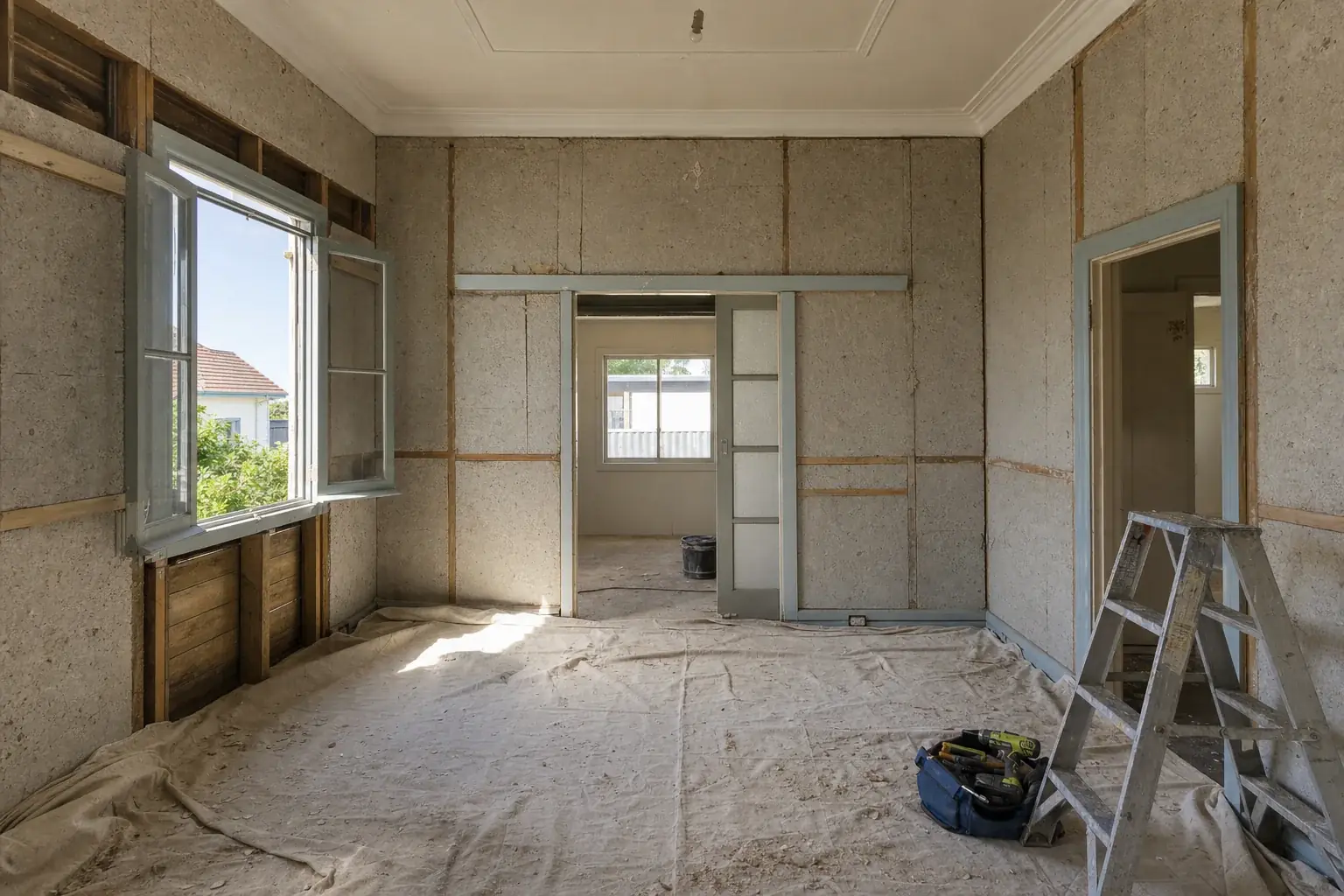
A newer home can still contain asbestos if older sheeting was reused during a renovation. Age of the structure and age of a specific material are not always the same.
Common asbestos materials
Some products are far more likely to contain asbestos than others. These are the usual suspects in Perth homes.
- Fibro cement wall and ceiling sheeting.
- Eaves and soffit linings.
- Corrugated roofing and fencing.
- Vinyl floor tiles and the backing under sheet vinyl.
- Textured coatings and some old wall render.
- Insulation around old hot water systems and flues.
The material that looks the most ordinary is often the one worth testing. Fibro was everywhere because it was cheap and it worked.
Where it hides in the house
Certain rooms and spaces are worth a closer look before any work. Wet areas and hidden linings are common spots.
Bathrooms
Wall sheeting behind tiles and vanities
Laundries
Sheeting, splashbacks and old flooring
Eaves
Soffit linings around the roofline
Sheds, garages and old outbuildings are also worth checking. Fibro and corrugated sheeting were common in these structures.
Check your paperwork before you check the walls
Building approvals, past renovation records and old sale documents can tell you when the home was built and altered. That timeline narrows down which materials are worth testing before you go looking room by room.
What not to do
Do not test it yourself by breaking it
Never sand, cut, drill or snap a suspect material to see what is inside. Disturbing asbestos is exactly what releases fibres into the air. Leave it intact and get it tested properly.
- Do not sand or grind painted fibro to repaint it.
- Do not high-pressure wash suspect roofing or sheeting.
- Do not drill or cut before you know what the material is.
- Do not assume undamaged material is safe to ignore during a renovation.
How to confirm it
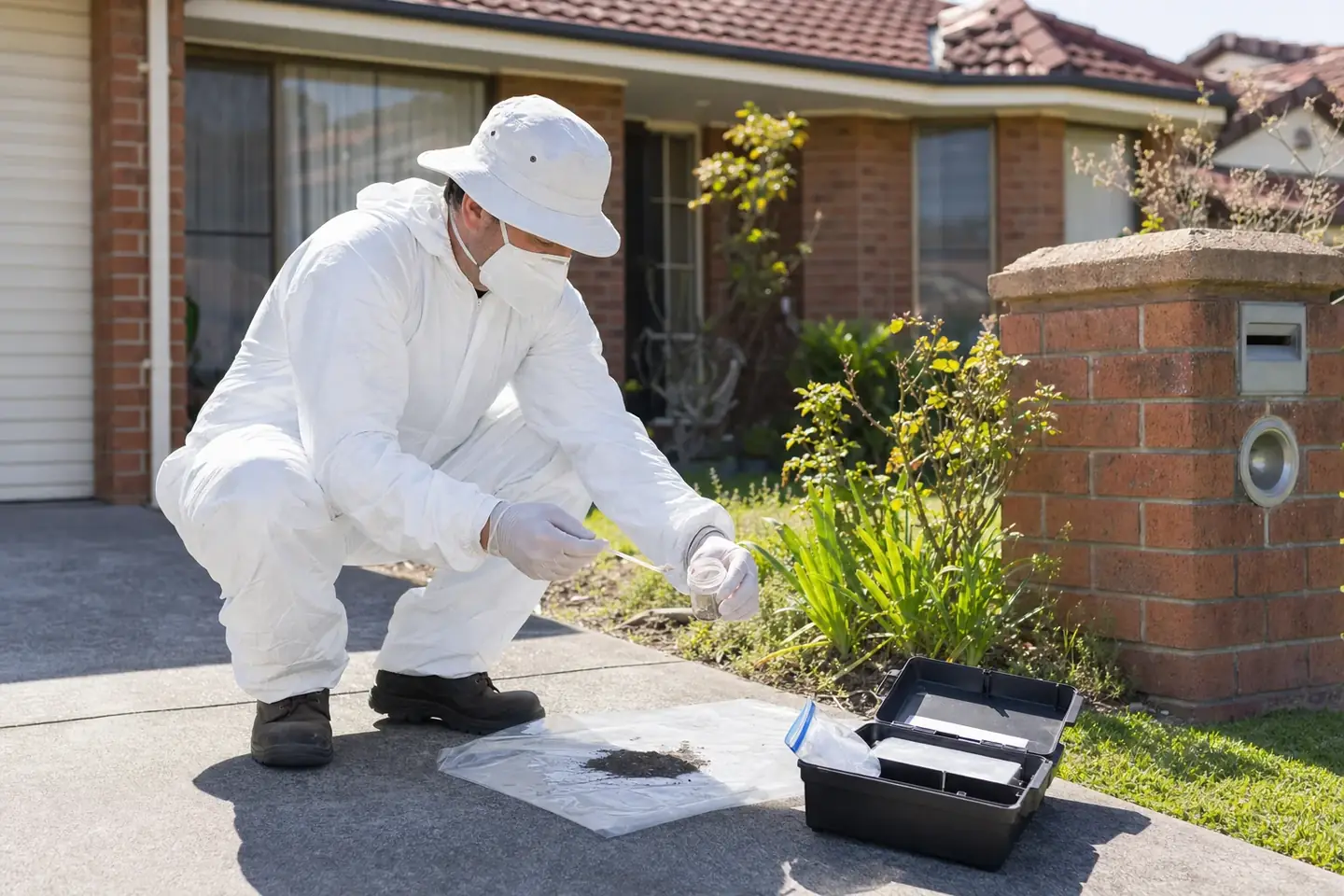
The only reliable way to know is a test. A Licensed Assessor takes a small, controlled sample and has it analysed at a NATA accredited laboratory.
You then get a clear written result. If it is positive and needs to be removed, that is a job for a licensed asbestos removalist, not something to tackle yourself.
If your home is older and you are planning any work, call (08) 6186 7484 to arrange testing before you start.
Not sure about a material in your property?
A Licensed Assessor can take a sample and give you a documented answer.
Frequently asked questions
No. Asbestos fibres are microscopic and were mixed into ordinary-looking products, so sight, colour and texture cannot confirm it. Only a NATA accredited laboratory test on a properly taken sample can tell you for certain.
Homes built or renovated before 1990 are the highest risk, and asbestos was used in some products up to the end of 2003. If your home predates the ban, treat suspect materials as asbestos until tested.
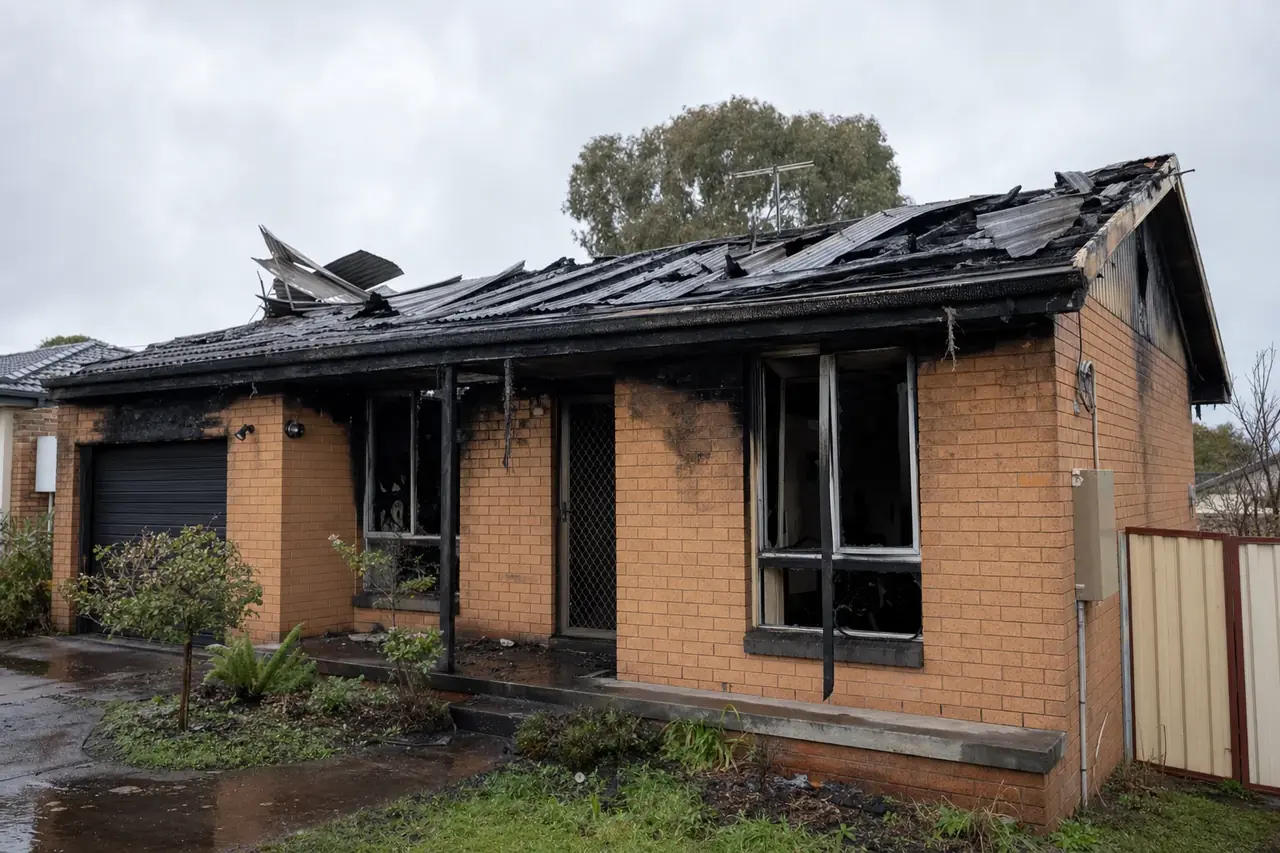
Asbestos is most dangerous when disturbed, because that releases fibres into the air. Intact, undamaged material is lower risk, but you still need it identified before any renovation or repair.
Do not touch, cut or clean it. Leave it intact and arrange a test with a Licensed Assessor, who will take a controlled sample and have it analysed so you get a clear written result.
Yes. Paint or sealant sits on the surface and does not change what the material is made of underneath. If the sheet is old enough to be suspect, it still needs a NATA accredited laboratory test before you sand, cut or drill it.
Definitely. Fibro walls, corrugated sheeting and old flooring were common in sheds, garages and outbuildings. These structures are often overlooked, so include them when you scope a test on an older property.
Related services
Written and reviewed by
Perth Asbestos Testing, Licensed Asbestos Assessor (WA)
This article is written and reviewed by a WA Licensed Asbestos Assessor who attends properties across Perth metro and regional WA in person. Information here is general guidance. For a definite answer about your property, the material needs to be sampled and tested.
(08) 6186 7484Topics covered