
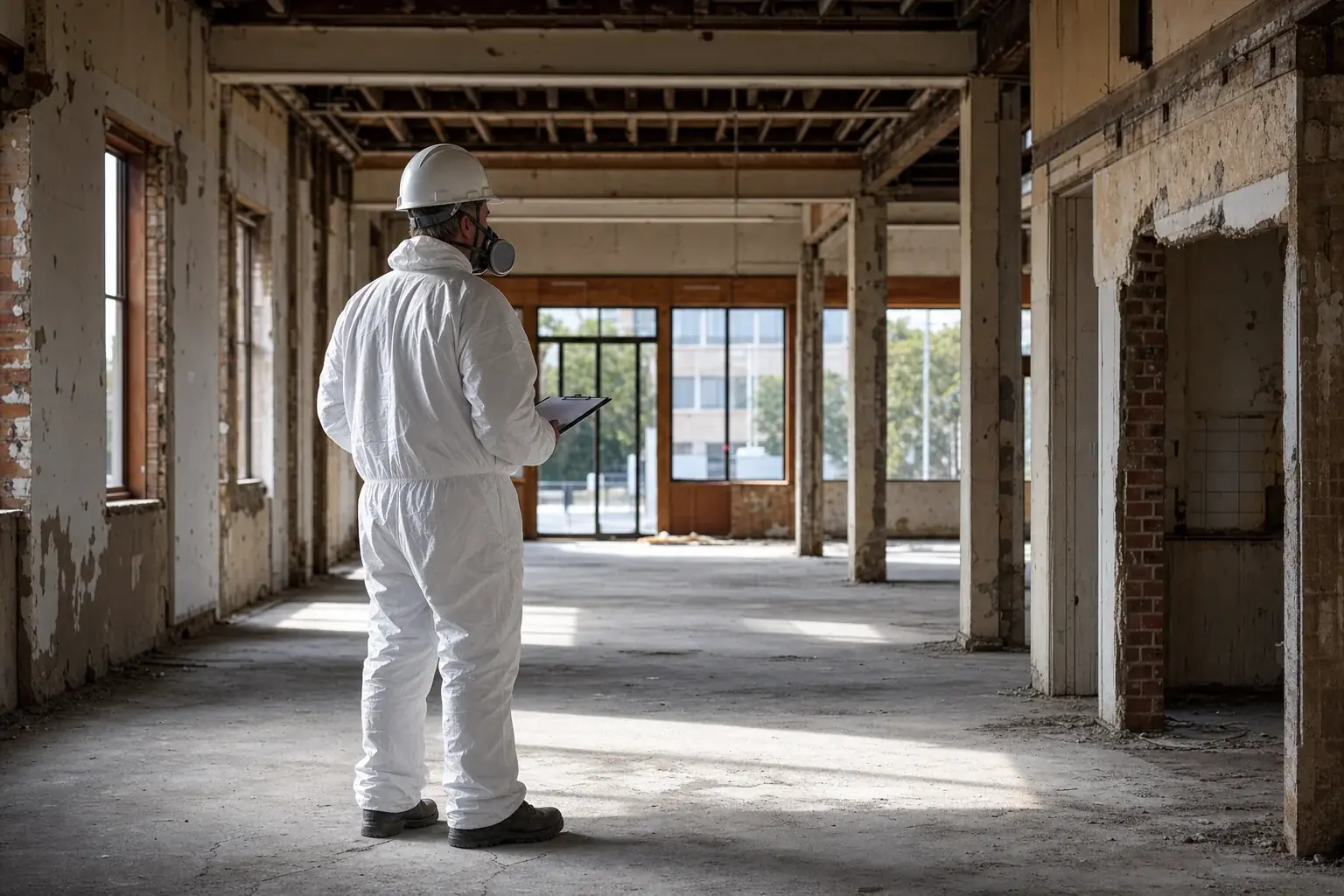
Hazmat surveys
Hazardous Materials Surveys in Perth
Full hazardous materials surveys for demolition, refurbishment and due diligence on commercial and industrial sites, so hazards are identified before the work starts.
(08) 6186 7484Book this test
Tell us about the property. A Licensed Assessor calls you back, same-day available.
The short version
Identifying the full range of hazards before the work begins
A hazardous materials survey goes beyond asbestos. It identifies the full range of hazardous substances that can be present in older buildings before demolition or major refurbishment works begin, so that each hazard can be managed, remediated or properly controlled before the main works create an uncontrolled exposure risk for workers and those on or near the site.
The assessor documents what hazardous materials are present, where they are located across the building, their condition at the time of assessment…
“The only way to know for sure is to test.”
At a glance
Who attends
Licensed Asbestos Assessor (WA)
How it's analysed
NATA accredited laboratory
What you get
A clear written report
Turnaround
Same-day available on request
What you get
What is included

Structured whole-of-site survey
A systematic assessment of the building and grounds scoped to the planned works, from targeted refurbishment through to full…

Sampling and NATA accredited laboratory analysis
Suspect materials are sampled under chain of custody and dispatched to a NATA accredited laboratory.

Comprehensive hazardous materials register
A documented register of all hazards found across the site with location references, estimated quantities, condition ratings and…

Risk ratings and management guidance
Each hazard is risk-rated and paired with guidance on how it must be managed, controlled or removed before and during the planned…

Commercial, retail and industrial scope
We survey offices, retail tenancies, warehouses, factories and industrial premises of all types and sizes across Perth metro and…
Report structured for principal contractor use
The hazardous materials report is formatted to directly support the principal contractor's hazardous materials management plan and…

Staging options for large or complex sites
For large buildings, multi-storey structures or sites with complex access requirements, we can stage the survey across multiple…
In your report, you receive
- A written hazardous materials report identifying every hazard found across the site
- Location references and estimated quantities for each material documented with photographs
- NATA accredited laboratory results for all samples taken, attached to the written report
- Risk classifications for each hazard identifying priority items and lower-priority materials
- Guidance on the management, removal or control required before and during the planned works
- A report formatted to support a principal contractor's hazardous materials management plan and WHS documentation
- A hazardous materials management plan summary cross-referencing the register findings to the required pre-works actions…
- Guidance on the specialist contractor licence classes required for each hazardous material identified so the principal…
- Staged interim findings available for large sites where the survey spans multiple days, so the principal contractor's…
- Verbal briefing on key findings available immediately after the survey if the project programme requires an immediate…
What we look at
Hazardous materials we identify and document
Tap any material to see where it turns up and what to watch for. If you are unsure what you are looking at, that is exactly what a sample confirms.
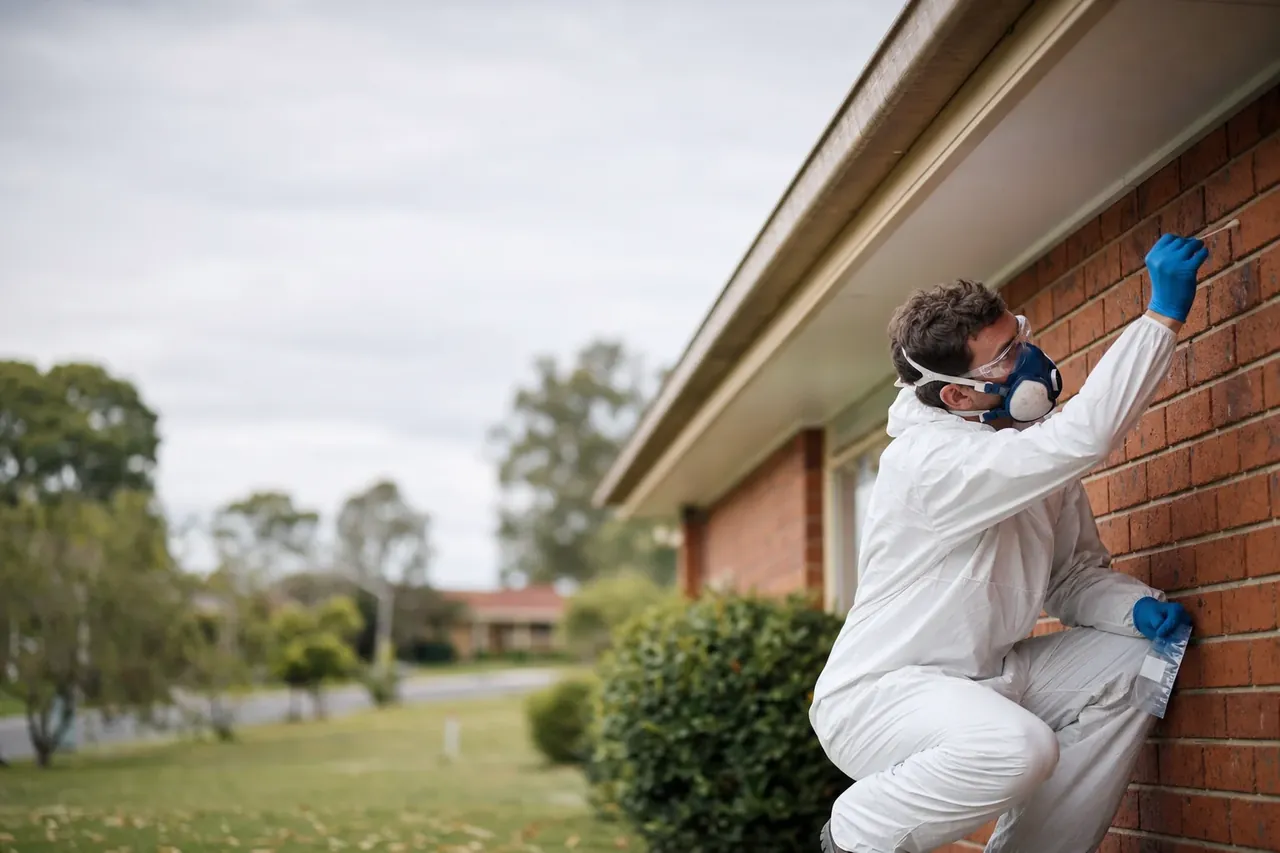
Sampled in personAsbestos is the most prevalent hazard in older Australian buildings and is the primary focus of every hazmat survey. We identify and document all suspected asbestos-containing materials across the site, from fibre cement cladding, textured ceiling coatings and vinyl floor tiles through to pipe lagging, duct insulation and fire door linings. Sampling is conducted under chain of custody where visual confirmation is not sufficient to include or exclude a material from the documented register.
Lead paint was used extensively on interior and exterior surfaces of buildings constructed before 1970 and remained common through the late 1970s across WA. Demolition, sanding and strip-out work generates lead-contaminated dust that presents a significant inhalation and ingestion exposure risk to workers and can spread beyond the immediate work area. All suspect painted surfaces are assessed and, where sampling is needed, a paint chip sample or XRF reading is taken and documented in the hazardous materials register.
Glass wool, slag wool and rock wool insulation installed in roof cavities, wall cavities and around ductwork before the mid-1990s can release fine inhalable fibres during demolition or strip-out activity. These materials are identified and included in the hazard register so that appropriate controls can be specified and applied during the works, and disposal can be managed correctly and cost-effectively.
PCBs were used in electrical transformers, capacitors and some older fluorescent light ballasts installed before 1986. They are a controlled hazardous substance under environmental legislation and require specialist disposal by an appropriately licensed operator. Their presence in the building must be identified and their controlled removal managed before demolition of the affected electrical infrastructure proceeds.
Older refrigeration systems, air conditioning equipment and fire suppression systems may contain ozone-depleting substances including R22 refrigerant and Halon, both of which require controlled recovery by licensed operators before the equipment is disturbed, dismantled or demolished. These are identified during the survey and flagged for specialist handling prior to the demolition or strip-out.
Older fluorescent light tubes, thermometers, barometers, some thermostats and certain scientific or medical instruments can contain mercury. These items are identified during the survey and flagged for specialist collection and disposal before demolition proceeds, as mercury is a controlled substance that cannot be disposed of as ordinary general waste and requires specific handling.
Bituminous waterproofing compounds, roof coatings and certain asphalt floor finishes used before the 2003 ban can contain asbestos fibres. These products are encountered during demolition and strip-out work on older commercial and industrial premises and are assessed and documented as part of a comprehensive hazardous materials survey.
Simple process
How it works
Describe the site, its history and the planned works
Call or book online. Tell us the building type, its approximate age, what it is or has been used for, and what you are planning. We scope the survey…
Licensed Assessor conducts the systematic survey
The assessor works through the building in a structured sequence, identifies and photographs all suspected hazardous materials, and records each…
Samples are taken and dispatched to the NATA accredited laboratory
All suspect materials requiring confirmation are sampled under chain of custody and sent to the NATA accredited laboratory for analysis.
Hazardous materials report is delivered
The written report is delivered with the full hazard register, risk ratings, photographs, NATA accredited laboratory results and guidance on what must…
We are available for queries during the demolition programme
Once the hazardous materials report is delivered, we remain available to respond to questions from the principal contractor, demolition contractor or…

In person
Every sample taken by a licensed assessor

NATA accredited laboratory analysed
NATA accredited laboratory result
Documented
Chain of custody, start to finish
Same-day
Rush results available on request
Common situations
When you need a hazmat survey
- 01
Before demolition of any older building
All hazardous materials in a building must be identified, documented and managed before demolition begins.
- 02
Before major refurbishment or strip-out
Strip-outs and major structural works expose materials sealed inside the building fabric for decades.
- 03
Commercial and industrial property due diligence
Purchasers and asset managers get a documented understanding of the hazardous material liability in the building before a transaction closes or a…
- 04
Commercial tenancy fit-out or strip-out
Fit-outs and strip-outs in older commercial buildings can disturb asbestos in walls, ceilings and floors.
- 05
Principal contractor WHS management plan
Principal contractors preparing a hazardous materials management plan for a notifiable demolition or major refurbishment project need the hazmat…
- 06
When a building is being acquired for redevelopment
An investor or developer acquiring an older commercial or industrial building for redevelopment needs to understand the hazardous material liabilities…
Common questions
An asbestos survey focuses specifically on asbestos-containing materials. A hazardous materials survey covers the full range of regulated hazards found in older buildings, including asbestos, lead paint, synthetic mineral fibres, PCBs, refrigerants and mercury-containing equipment. Demolition and major refurbishment projects require this broader scope to properly meet WHS obligations.
Yes. We survey commercial and industrial premises of all types across Perth and regional WA. Industrial buildings typically contain a more complex mix of hazardous materials than commercial offices or residential properties, and the survey scope reflects that greater complexity.
Yes, where the works will disturb walls, ceilings, floors or building services in an older building. A targeted survey of the areas directly affected by the refurbishment scope identifies what needs to be managed before the contractor starts work.
Yes. The written hazardous materials report is structured to directly support a principal contractor's hazardous materials management plan and the WHS documentation required for notifiable demolition or major refurbishment projects.
We document the finding and advise clearly on what management or removal is required before the main works can safely proceed. Removal of asbestos and other hazardous materials must be carried out by appropriately licensed contractors. We advise on what type of licence the specific material requires.
A hazardous materials survey report prepared by a Licensed Assessor and structured to document the type, location, condition and risk rating of all hazardous materials identified across a site is the standard documented record required to satisfy the WHS obligation to identify and manage hazardous materials before demolition or major refurbishment work begins. We format the report to support both the principal contractor's WHS file and any specific documentation requirements that apply to notifiable demolition work under WA legislation.
Related services
You might also need
Asbestos Inspections & Surveys
Residential and commercial inspections that identify and document suspected asbestos-containing materials.
Learn moreAsbestos Registers & Management Plans
Asbestos registers and management plans that keep commercial workplaces compliant with WA duties.
Learn moreSoil & Land Asbestos Testing
Soil and land sampling to check fill and ground for asbestos before building, subdividing or landscaping.
Learn more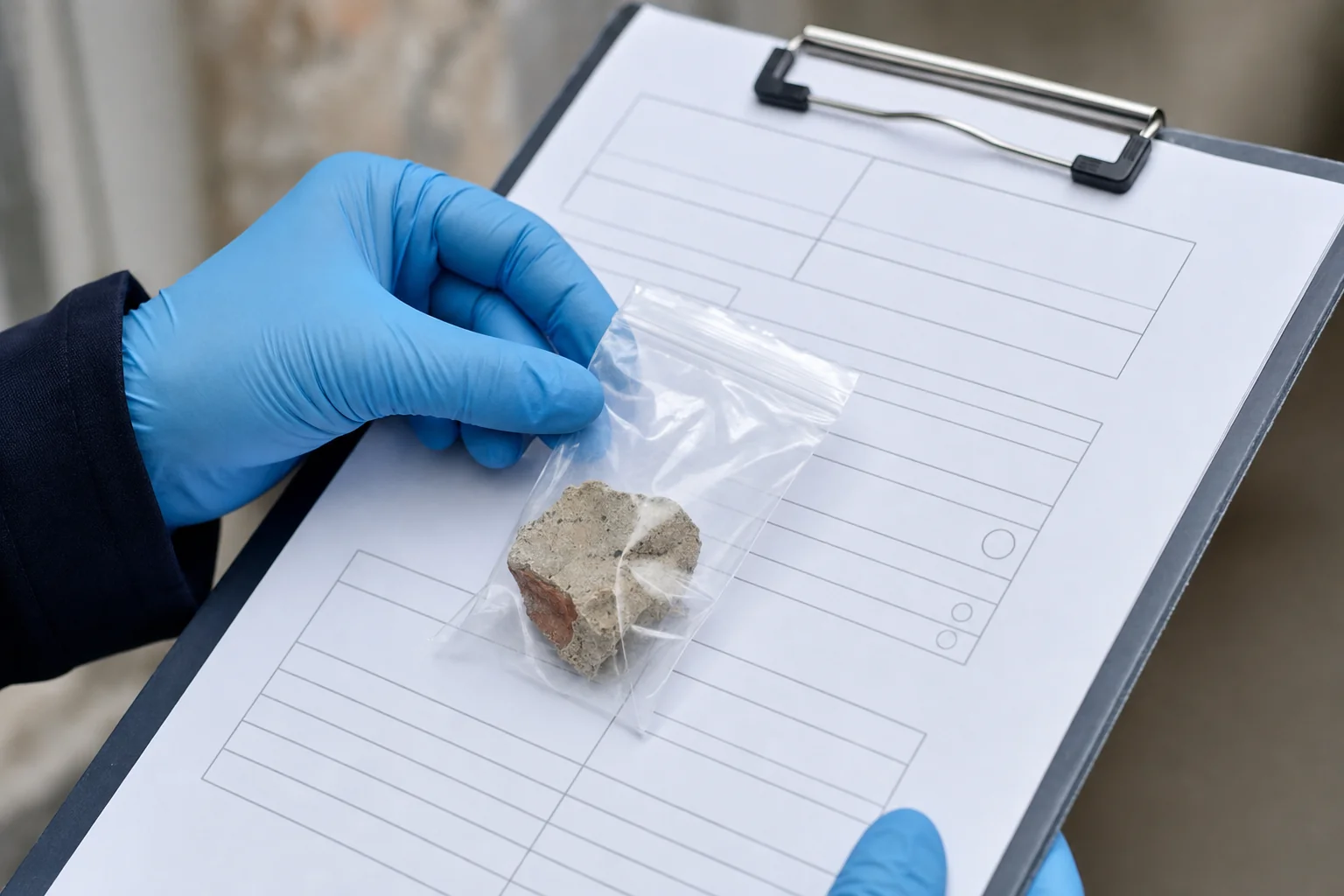
Book hazardous materials surveys
Not sure what you're
looking at?
Don't guess. Book a test with Perth's Licensed Asbestos Assessor and get a written answer you can act on.
(08) 6186 7484Request a test or a quote
Tell us about the property and we will get straight back to you.