AI overview
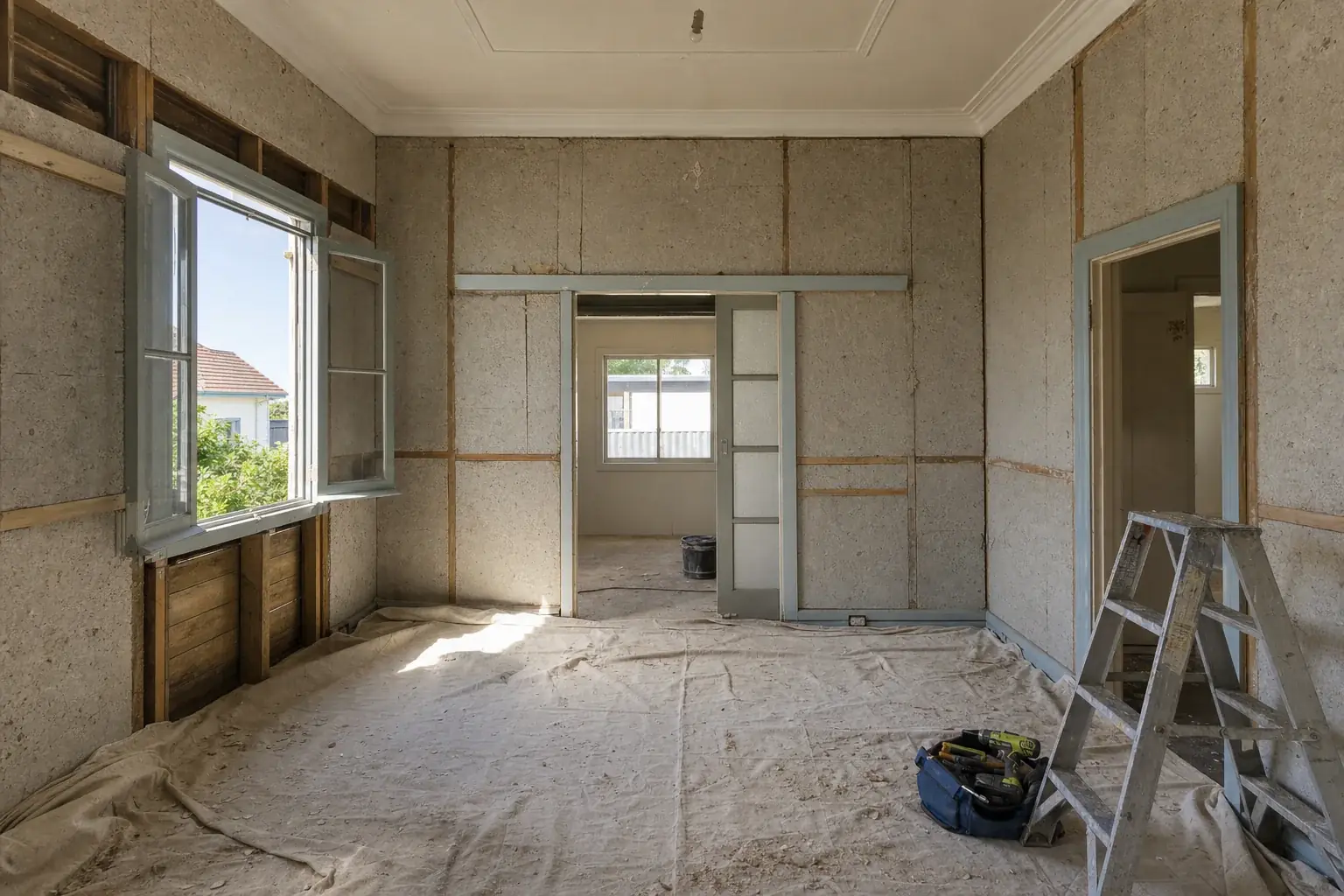
If you are renovating or demolishing an older Perth property, you should have suspect materials tested before any work disturbs them. Testing first protects your budget and timeline, because discovering asbestos mid-demolition can halt the job and trigger emergency costs. For a full demolition, a hazardous materials survey identifies everything that needs managing before the machines arrive.
Key takeaways
- Test before you disturb, not after work has started.
- Finding asbestos mid-job can halt the site and blow the budget.
- A renovation test can be scoped to just the work zone.
- Demolition usually needs a full hazardous materials survey.
- A clear result lets your builder and removalist plan properly.
- Testing is far cheaper than an emergency stop-work.
- Booking testing early in planning keeps every trade on schedule.
The question comes up on almost every older-home project. You want to knock out a wall or take down a shed, and someone mentions asbestos.
The right time to test is before the work, not during it. Here is why, and how to scope the test to your job.
The short answer
If the property is old enough to contain asbestos and your work will disturb suspect materials, test first. It is the single decision that keeps a project safe and on schedule.
Disturbing is the trigger
Cutting, drilling, breaking or demolishing a material is what releases fibres. If your work touches suspect materials, that is exactly when a test matters most.
Renovation vs demolition
The scale of the work changes the scale of the test. A single-room renovation and a full knock-down are very different scopes.
| Type of work | What is usually needed |
|---|---|
| Small renovation | Test the suspect materials in the work zone only. |
| Major renovation | Test all materials being removed or disturbed across the works. |
| Full demolition | A hazardous materials survey covering the whole structure. |
Why demolition needs a survey
A demolition disturbs everything at once. A hazardous materials survey identifies asbestos and other hazards across the building so removal can be planned before the machines arrive.
What goes wrong without a test
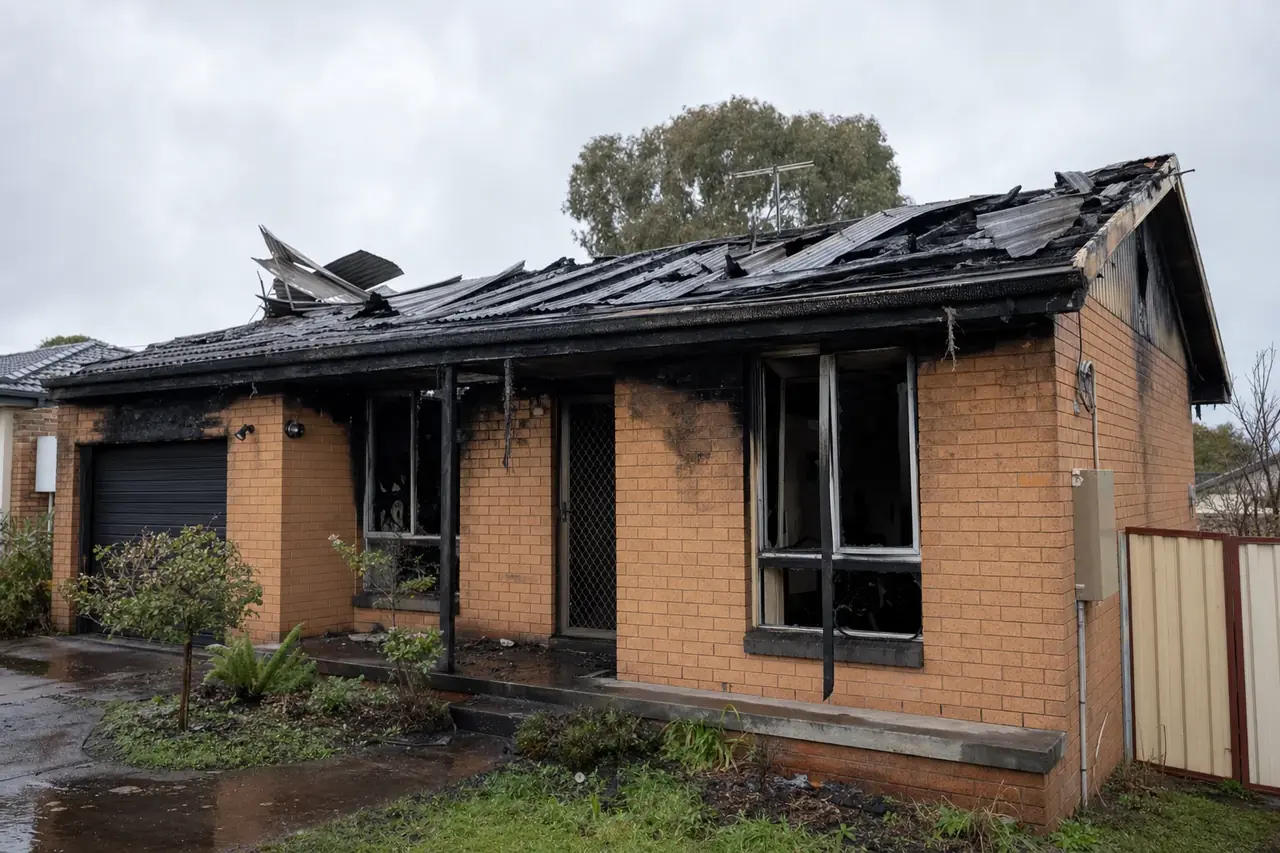
Skipping the test does not skip the risk. It just moves the problem to the worst possible moment.
- Fibres get released when an untested material is broken, exposing workers and neighbours.
- The job stops while the site is assessed, delaying every trade booked after you.
- Emergency assessment and clean-up cost far more than testing up front.
- Contaminated debris cannot simply go to landfill, adding disposal complications.
The most expensive asbestos discovery is the one made by a demolition crew halfway through the job.
How to scope the test
You do not always need to test the entire property. The goal is to cover everything your work will disturb.
- Step 01
Map the work
List the walls, floors, ceilings and structures your project will cut, remove or break.
- Step 02
Flag the suspects
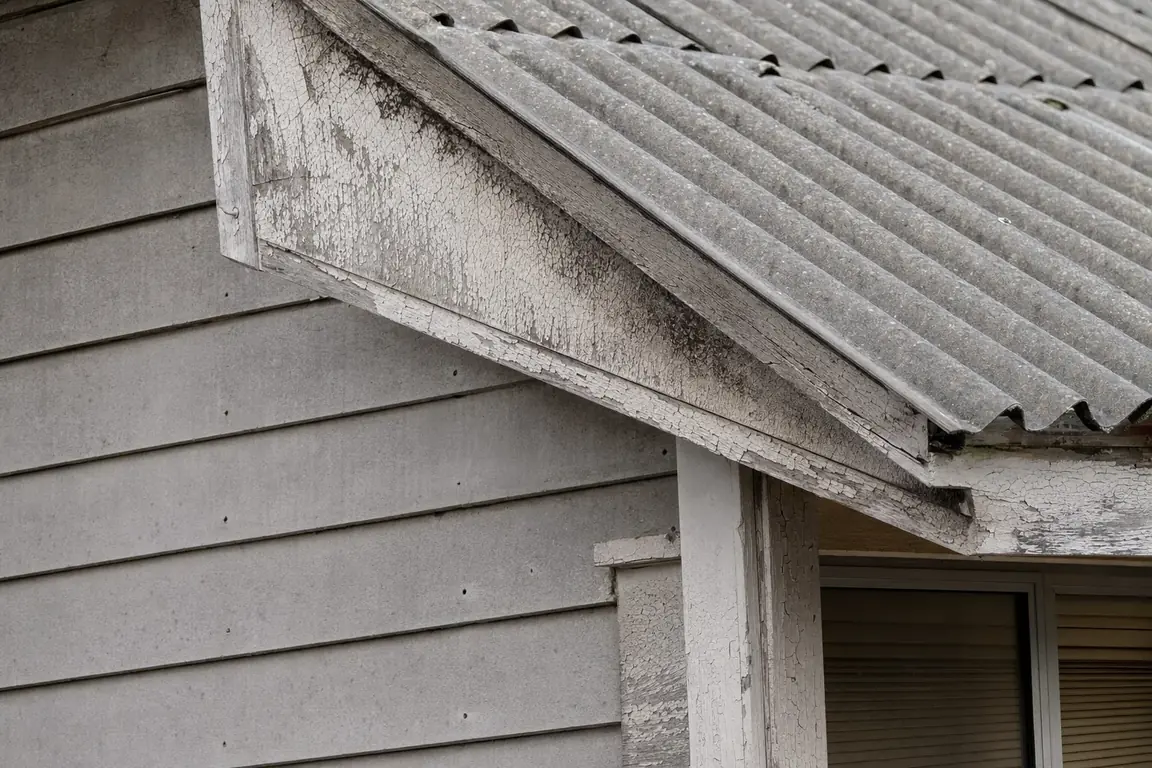
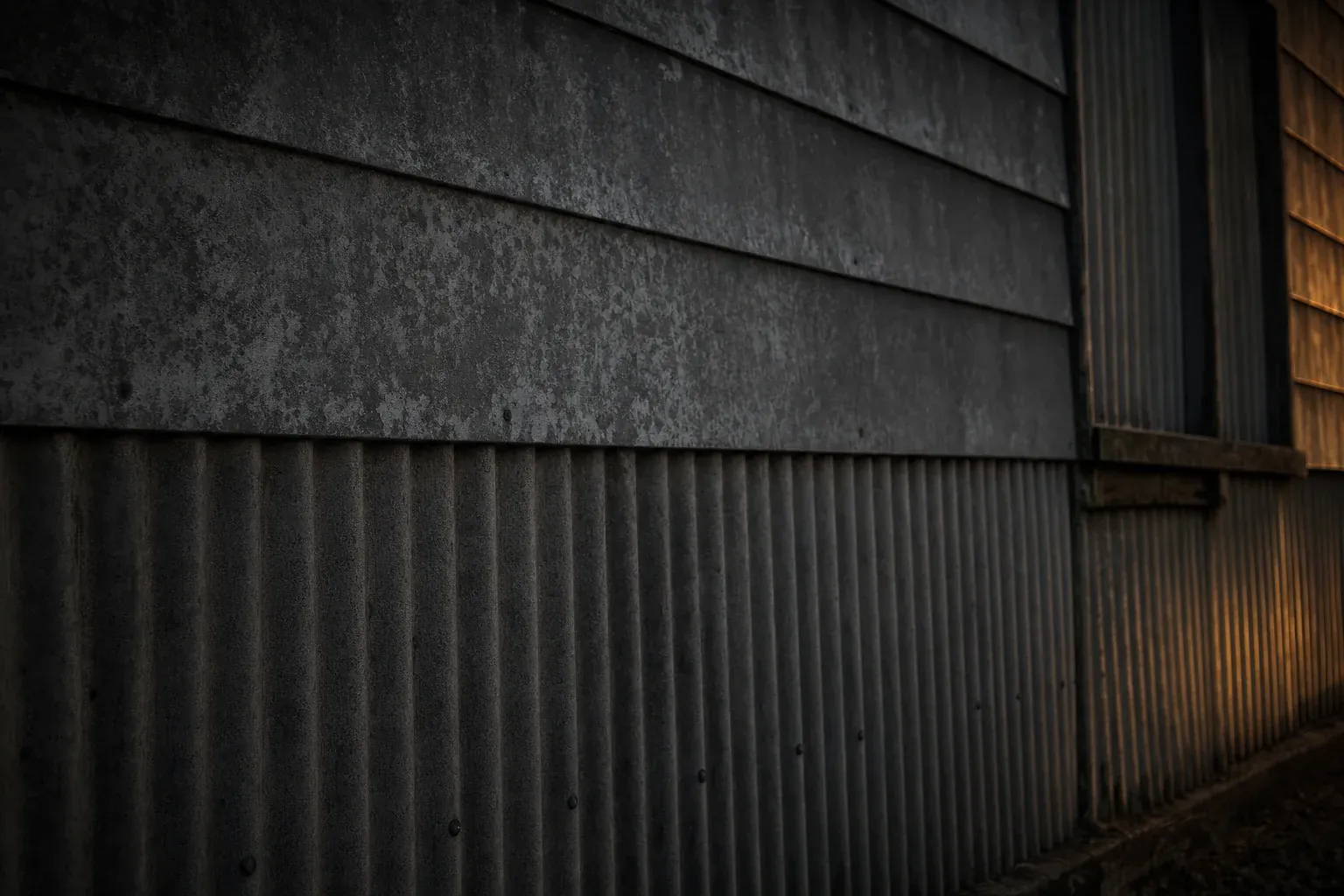
Note older materials like fibro sheeting, eaves, vinyl and roofing in that zone.
- Step 03
Test what you disturb
A Licensed Assessor samples those materials so nothing is missed before work starts.
The testing process
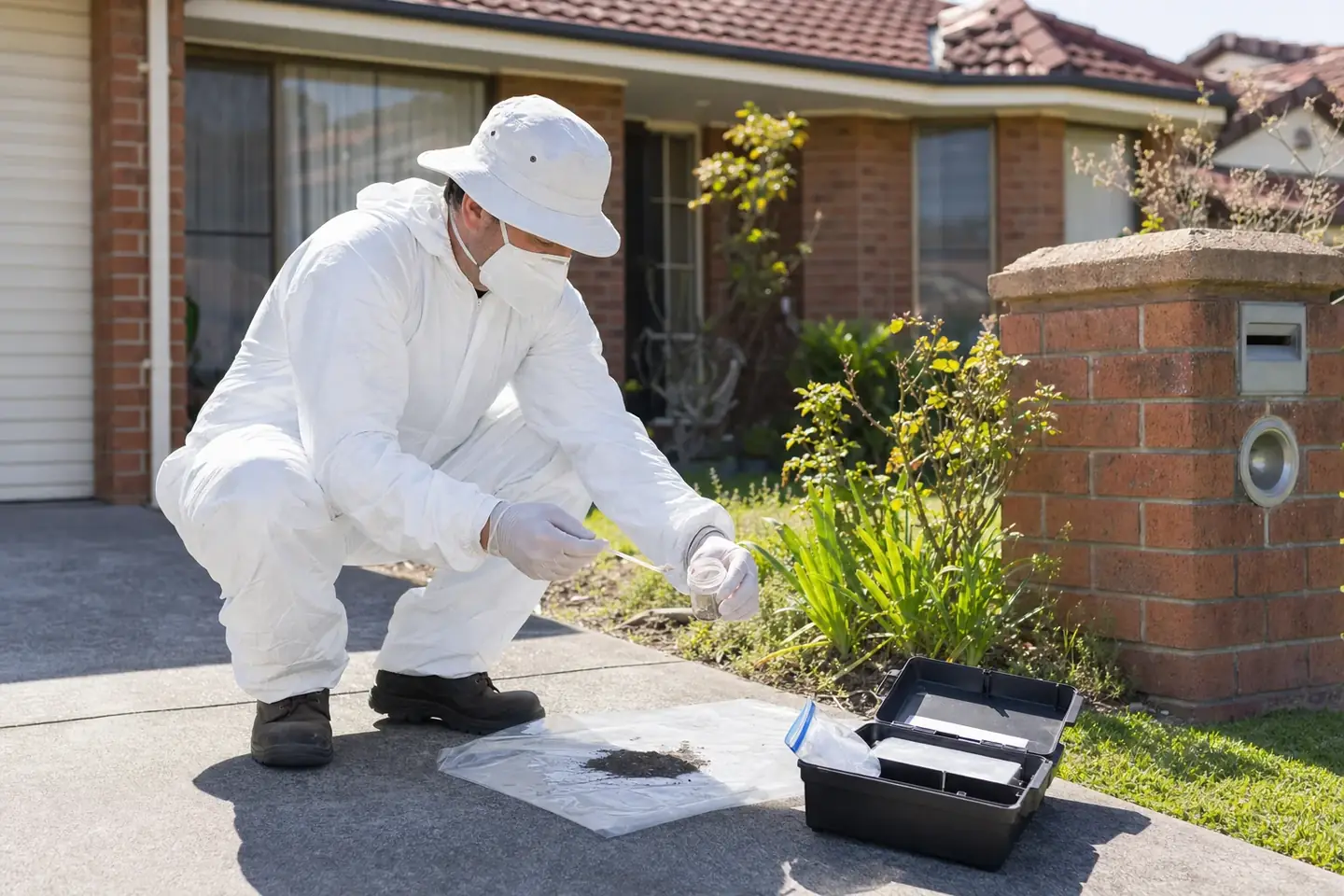
The process is quick and controlled. A Licensed Assessor attends, takes small samples and has them analysed independently.
Build the test into your timeline
Book testing early in your planning, not the week you want to start swinging a hammer. Same-day results are available when the job cannot wait, but a little lead time keeps the project smooth.
- Materials in older kitchens, bathrooms and laundries, where wet-area sheeting is common.
- Eaves, soffits and ceiling linings that will be removed or cut into.
- Flooring layers, including vinyl tiles and the backing under sheet vinyl.
- Sheds, patios and fences on the block if they fall inside the works.
Planning the work
Once you have a written result, everyone can plan properly. Your builder knows what they are dealing with and any positive materials go to a licensed asbestos removalist.
That clean handover is the point of testing first. Call (08) 6186 7484 to scope a pre-renovation or pre-demolition test.
Not sure about a material in your property?
A Licensed Assessor can take a sample and give you a documented answer.
Frequently asked questions
In WA, work that could disturb asbestos must be managed safely, and you cannot manage what you have not identified. Testing suspect materials before disturbing them is the practical way to meet your obligations and keep everyone safe.
Usually not. For a small renovation you can scope the test to the materials in the work zone, so you only pay to test what your project will actually disturb.
It is a full survey that identifies asbestos and other hazardous materials across a building before demolition. It lets removal be planned and completed before the structure comes down.
You get a clear written result. Any material that needs to be removed is handled by a licensed asbestos removalist, which is a separate service from testing. We test and assess, we do not remove.
Book it early in your planning rather than the week you want to start. Standard NATA accredited laboratory turnaround suits most projects, and same-day results are available when the job cannot wait, but a little lead time keeps every trade booked after you on schedule.
Either works. Some builders arrange it as part of their scope, others ask the owner to organise it. What matters is that the suspect materials are tested before anyone disturbs them, so the result is ready before work starts.
Written and reviewed by
Perth Asbestos Testing, Licensed Asbestos Assessor (WA)
This article is written and reviewed by a WA Licensed Asbestos Assessor who attends properties across Perth metro and regional WA in person. Information here is general guidance. For a definite answer about your property, the material needs to be sampled and tested.
(08) 6186 7484Topics covered